The choirs of the competion
The competition includes the participation of several choirs at different stages.
Preliminary round
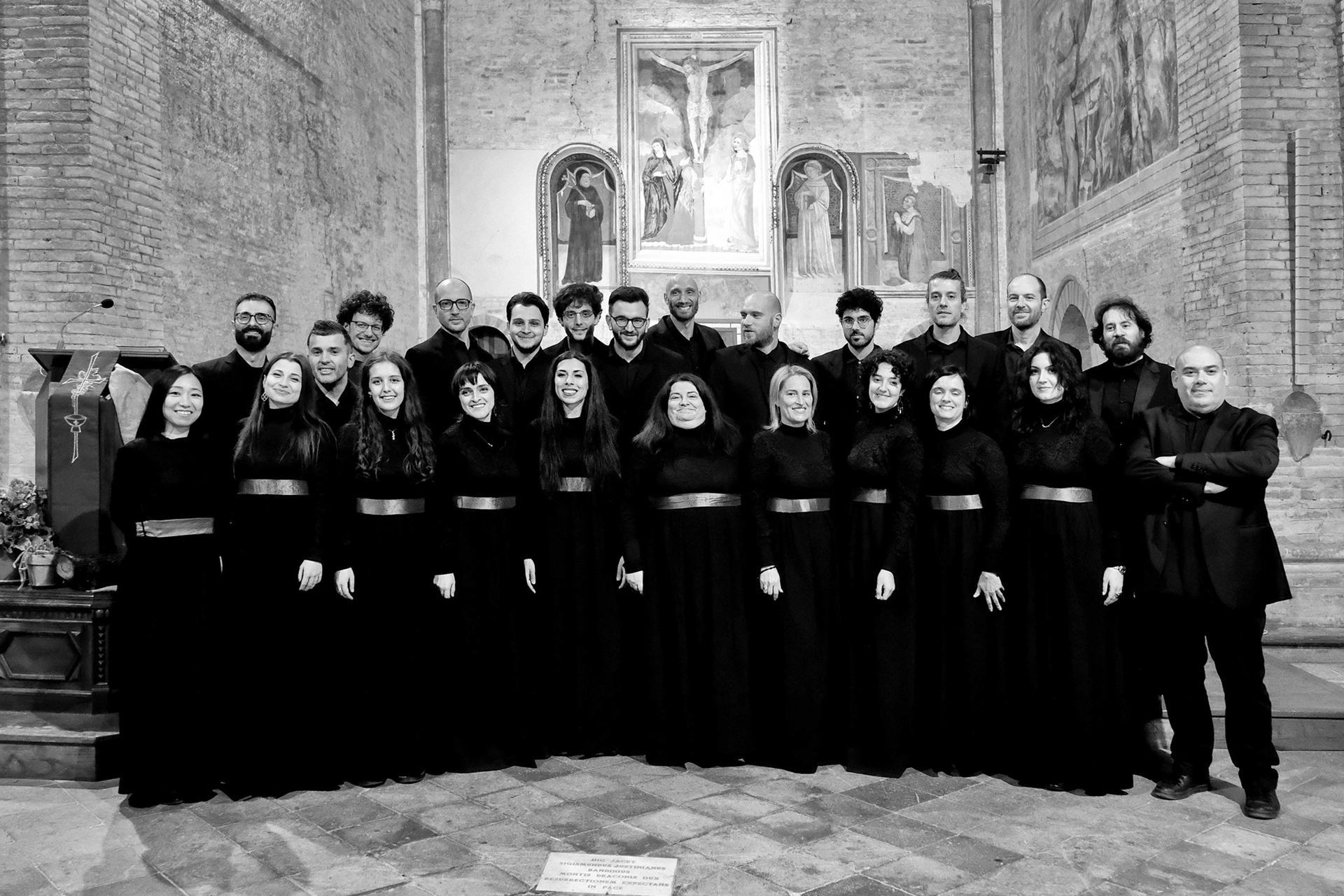
Libercantus Ensemble from Perugia [mixed choir]
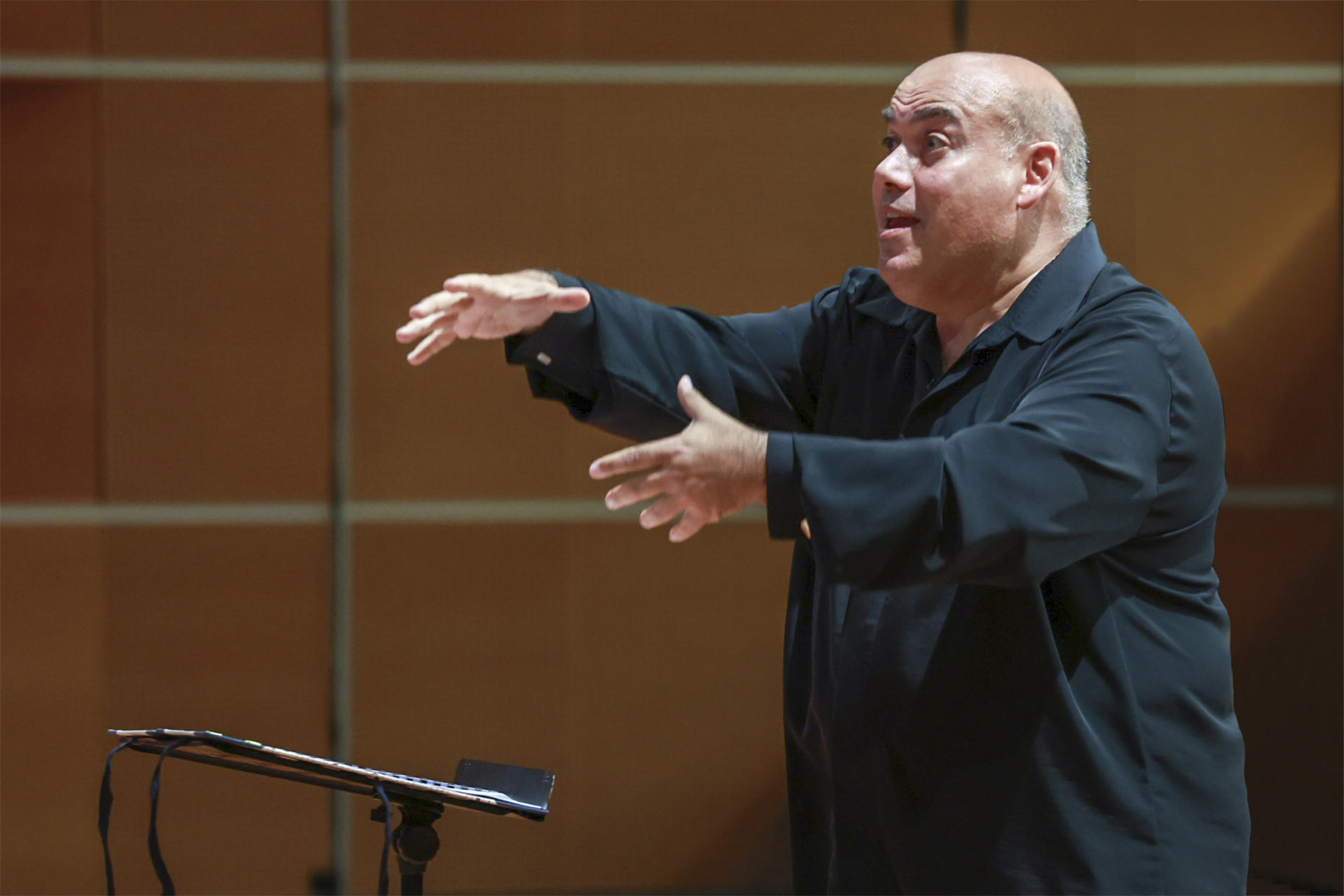
conductor: Vladimiro Vagnetti
Founded in 2006, Libercantus Ensemble is made up of singers passionate about early and contemporary polyphony. The ensemble has taken part in important festivals, including the Sagra Musicale Umbra, the International Festival S. Juliae in Livorno, the Voce! International Festival in Verona and Mito Settembre Musica. It has released the CDs Geometrie vocali. Sacred Songs and Fratres, the latter published by Armel Music, and has inspired composers such as G. Deraco, L. Donati, S. Teani, P. Liuzzi, R. Brisotto, S. Campanini and C. Pedini, who have dedicated works to the ensemble.It has also participated in and organized workshops with distinguished artists including G. Graden, P. Phoenix, S. Connolly, L. Donati, G. Banditelli, D. Shen and L. Marzola. Numerous awards have been received: 2nd prize at the National Choral Competition Città di Fermo (2014), 1st prize at the International Competition Irenè Città di Chivasso (2015), 1st prize and special prize for the performance of a contemporary work at the National Polyphonic Competition Guido d’Arezzo (2015), 2nd prize in the vocal groups category at the International Polyphonic Competition Guido d’Arezzo (2016), 1st prize and special prize at the International Competition A. Guanti in Matera (2016), 1st prize in the vocal groups category at the National Polyphonic Competition of Lago Maggiore and special prizes ACP and Feniarco (2017), prizes in the sacred and secular polyphony categories and for the most interesting program at the National Choral Competition Trofei Città di Vittorio Veneto (2019), overall 1st prize, special prize and best conductor award at the National Choral Competition Città di Fermo (2019).
In 2020, during the pandemic, the ensemble won the virtual choir competition organized by the Associazione Regionale Cori Umbri. In 2024, it obtained 1st prize in the polyphony section and the Gran Premio AERCO at the National Choral Competition G. Savani in Carpi. In the same year, it appeared as a guest on the television program Via dei Matti N.0, hosted by S. Bollani and V. Cenni. Libercantus Ensemble is conducted by Vladimiro Vagnetti.
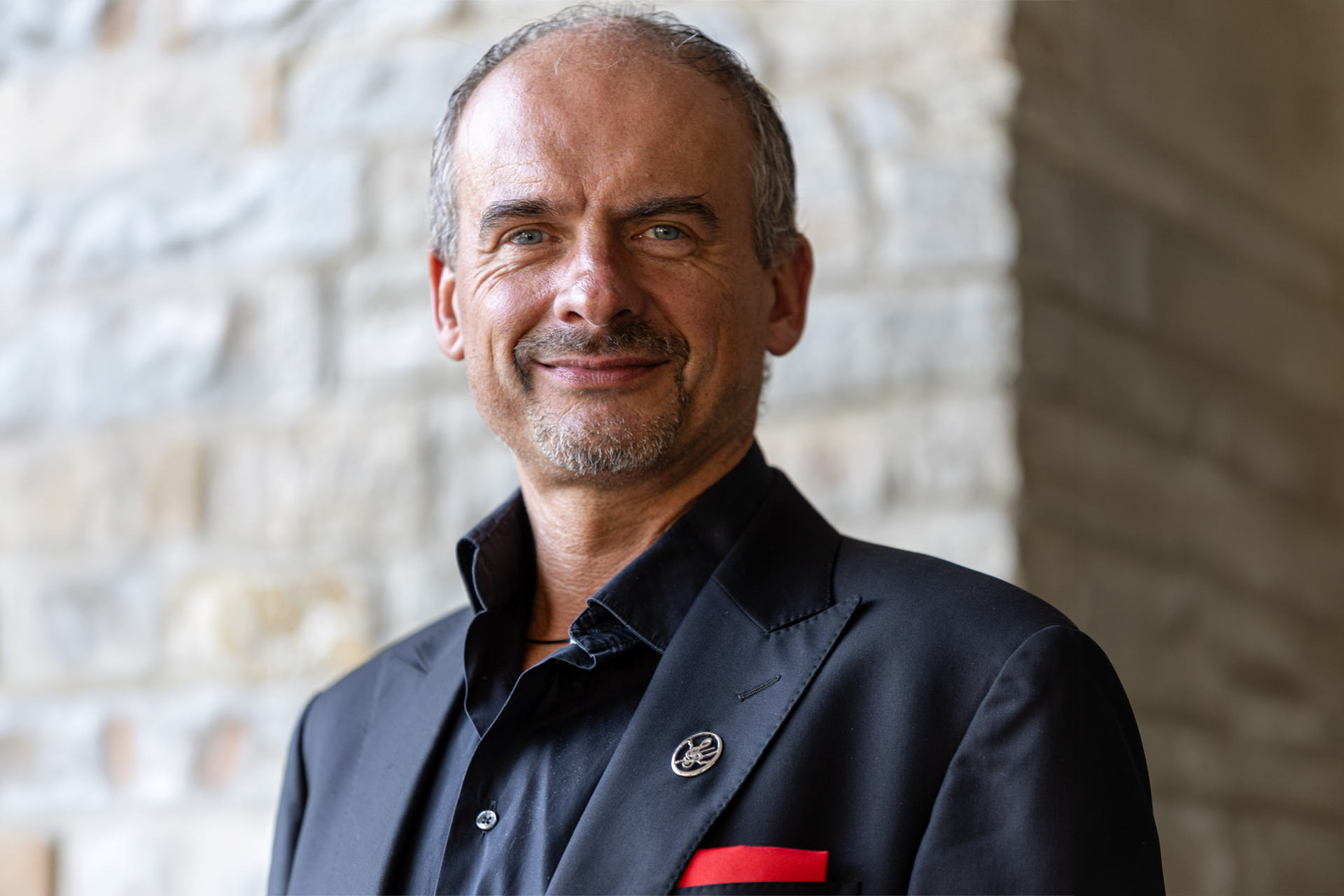
Vladimiro Vagnetti is a choral conductor, oboist, and music educator. He has specialized in the performance practice of Renaissance polyphony and historical wind instruments; with the ensembles Orientis Partibus (Assisi) and UtFaSol (Bergamo), he researches and performs medieval and Renaissance repertoire.He is the conductor of Libercantus Ensemble, Gruppo Polifonico F. Coradini, I Cantori di Perugia, and Corale Polifonica di P. Valleceppi (Perugia). As conductor of Libercantus Ensemble, he has received prestigious awards in major national and international choral competitions held in Italy. He has also led ateliers and workshops on early music at the Festival di Primavera and the Salerno Festival 2019 for Feniarco, at the Accademia Righele of ASAC, and for the Fondazione Guido d’Arezzo, where he teaches score reading from historical sources and performance practice within the conducting academy. From 2020 to 2026, he was a member of the National Music Commission of Feniarco.
Preliminary round
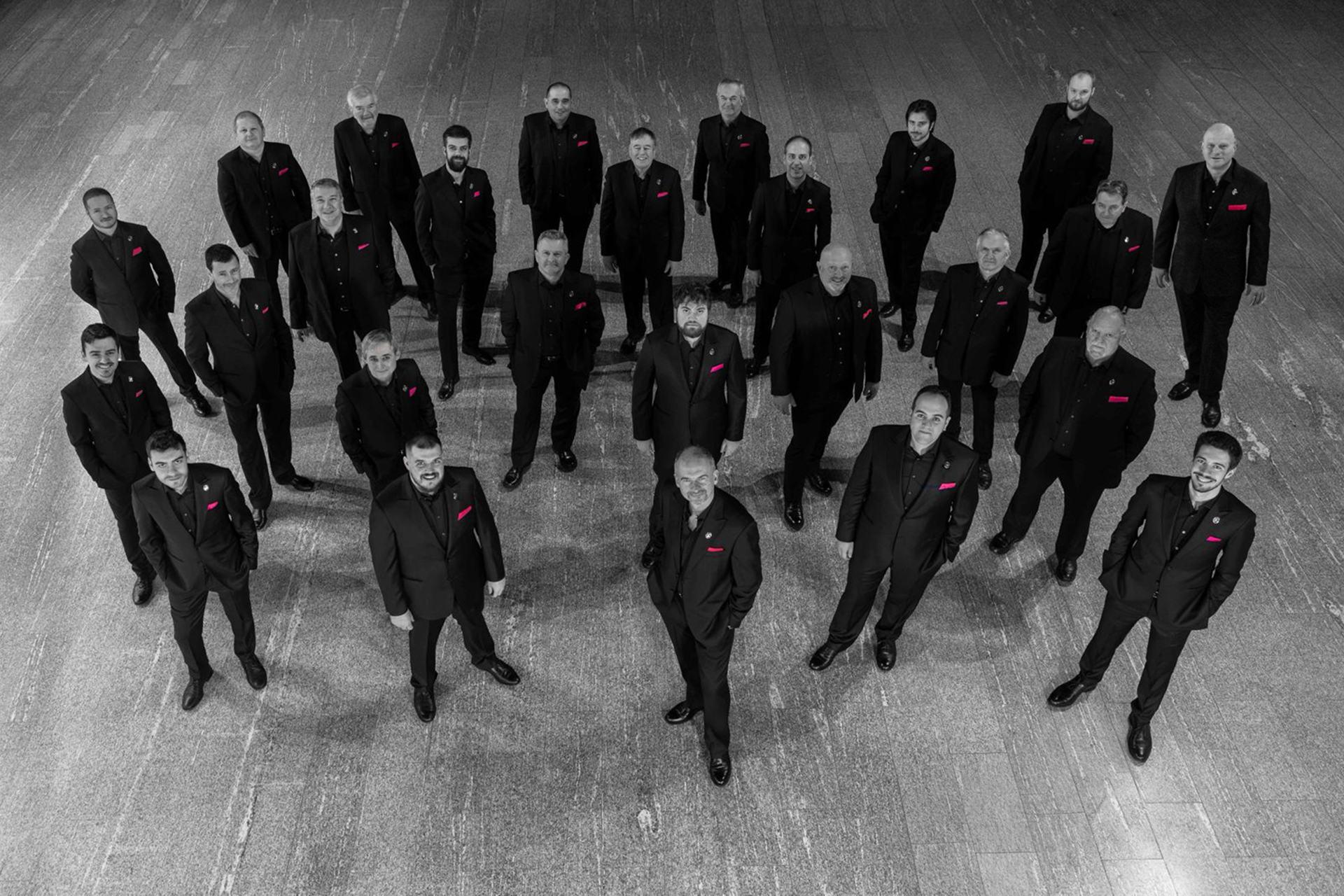
Coro La Rupe from Quincinetto [male choir]
conductor: Domenico Monetta
The Coro La Rupe was founded in 1952 in Quincinetto, inspired by the town’s ancient vocal tradition. In 1962 Dante Conrero became conductor, and the repertoire was enriched with arrangements and original works by the maestro, which still significantly shape La Rupe’s identity today. He was succeeded by the musician and composer Gigi Valenzano, who continued this distinctive work until 1982. With Edy Mussatti, from 1982 to 2008, La Rupe underwent an important interpretative development that led to the achievement of 8 national awards and, in 1999, 1st place in the male choir category at the International Choral Competition of Montreux.Since 2008 the conductor has been Domenico Monetta, a former chorister and son of one of the founders. Under his direction, the choir has continued to gain recognition, establishing itself in several Italian competitions (Vittorio Veneto, Quartiano, Fermo, Lago Maggiore, Arezzo). In 2018 the choir took part in the Rimini International Choral Competition, achieving Gold Band in the equal voices, sacred music and folk categories, as well as qualifying for the Grand Prix. In 2019 it won the Grand Prix at the 10th National Polyphonic Competition of Lago Maggiore, after obtaining 1st prize in the equal voices and folk choir categories. In 2023 it won the 4th National Competition for Male Choirs Luigi Pigarelli and was awarded the Gran Premio Efrem Casagrande at the 56th National Choral Competition Trofei Città di Vittorio Veneto. In 2024 it won the first edition of the Gran Premio Corale Italiano and obtained a 1st and a 3rd prize at the International Polyphonic Competition G. d’Arezzo.Over the years, La Rupe has worked with distinguished conductors and musicians such as D. Tabbia, P. Lawson, H. Surva, G. Graden, C. Pavese, S. Kuret and L. Donati. On the occasion of its 70th anniversary, the choir produced a documentary film entitled La Rupe canta, recounting the history of the ensemble.
Semifinal round
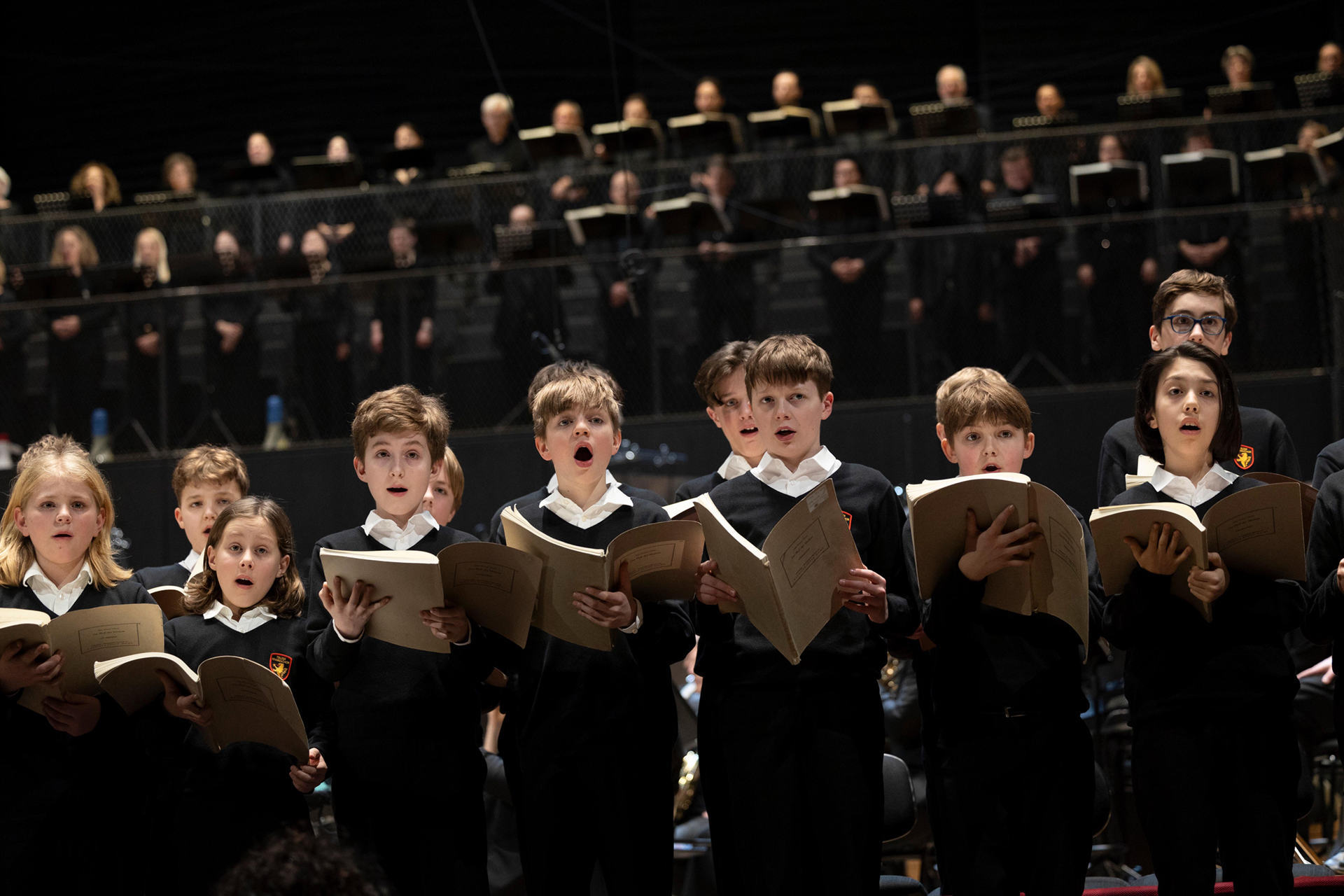
Tölzer Knabenchor from Munich (Germany) [children's choir]
conductor: Marco Barbon
The Tölzer Knabenchor, founded in 1956 by G. Schmidt-Gaden in Bad Tölz and now conducted by C. Fliegner with his deputy Marco Barbon, has been for over sixty years one of the most renowned boys’ choirs in the world. It presents more than 130 concerts and operatic productions each year and performs a repertoire ranging from the Baroque to contemporary music, with particular attention to the vocal works of J.S. Bach in historically informed performance practice. Its soloists are regularly engaged in major international opera houses.Over the course of its history, the choir has collaborated with some of the most important conductors, including C. Abbado, L. Bernstein, H. von Karajan, R. Muti and Sir S. Rattle. Its international activity is equally extensive, with tours across Europe, Asia and the United States and appearances at leading festivals such as the Salzburg Festival, the Leipzig Bach Festival, the Rheingau Music Festival and the Shanghai Baroque Festival. It performs in the world’s most prestigious concert halls, including the Elbphilharmonie, the Concertgebouw, the Philharmonie de Paris, the Musikverein, Carnegie Hall and Suntory Hall.
Its numerous recordings have received international recognition (including the Diapason d’Or and ECHO Klassik) and a Grammy Award nomination for the complete cantatas of J.S. Bach conducted by N. Harnoncourt. Since 2024, the choir has been included in Bavaria’s intangible cultural heritage (UNESCO). Around 120 boys are currently trained in choral singing and individual vocal technique in the Munich area; the soloist section is led by U. Richter.
Recent highlights include a tour in China and an intensive international concert and operatic activity, with major productions such as G. Rossini’s Petite Messe solennelle, G.F. Handel’s oratorio Susanna, concerts at the Sagrada Família and the Monastery of Montserrat, as well as J.S. Bach’s Christmas Oratorio conducted by T. Guggeis at the Isarphilharmonie. As every year, the soloists of the Tölzer Knabenchor appear in leading European opera houses, performing treble roles in works such as The Magic Flute, Tosca, Macbeth and Pelléas et Mélisande.
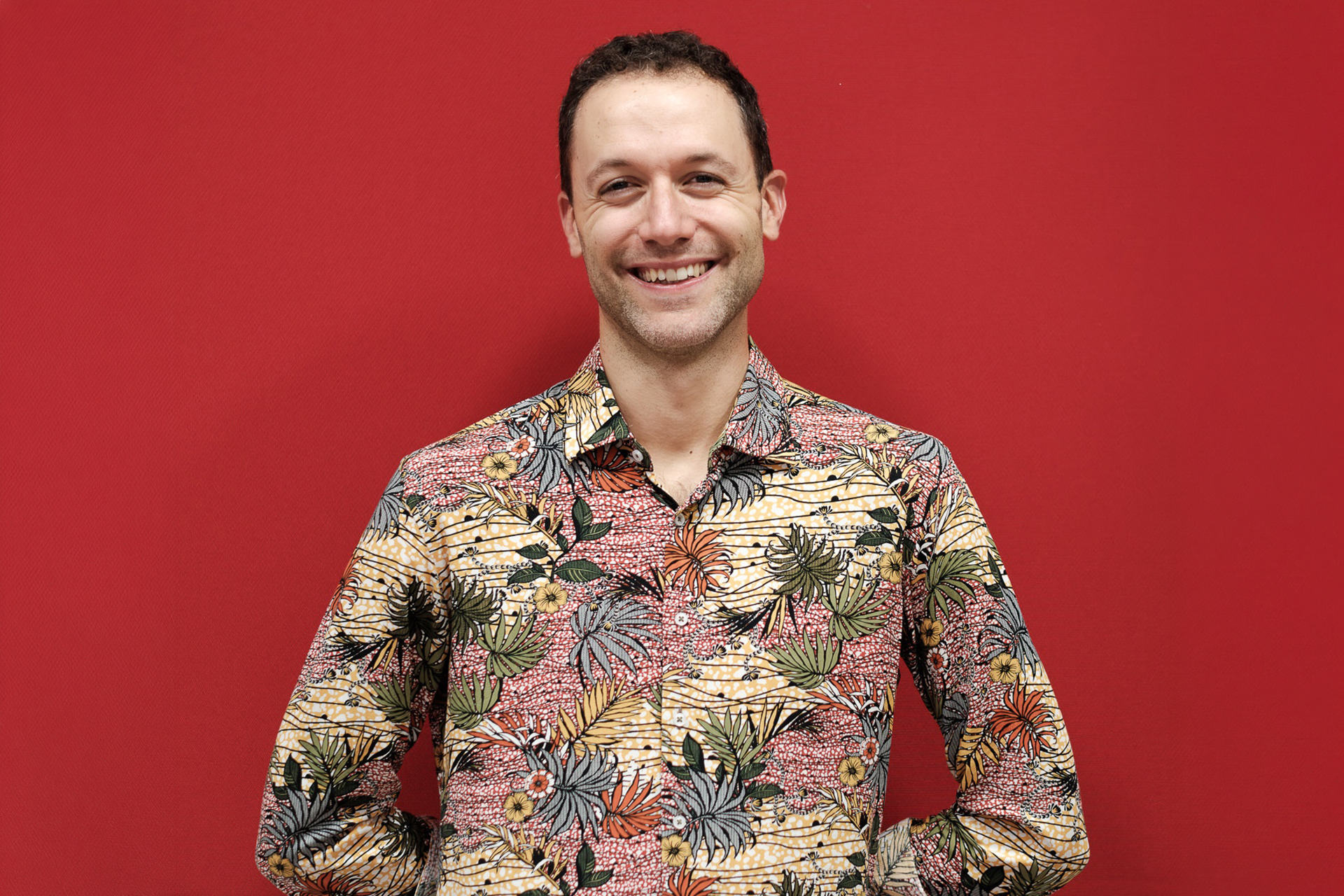
Marco Barbon has been working since 2021 as a choral conductor and vocal trainer with the Tölzer Knabenchor. Since 2024, he has also been the artistic director of the men’s choir of the same institution. With the Tölzer Knabenchor, he has conducted concerts at international festivals such as Anima Mundi in Pisa, the Rheingau Musikfestival in Wiesbaden, and the Voci d’Europa in Sardinia, as well as in prestigious concert halls including the Herkulessaal in Munich. He is also responsible for preparing boy soloists for both standard and contemporary operatic repertoire at major opera houses, including the Bayerische Staatsoper in Munich, the Deutsche Oper and the Komische Oper in Berlin, and the Opéra national de Lyon. He is regularly invited to teach masterclasses in choral conducting and choral singing throughout Italy and to serve as a jury member in choral competitions.He has been a member of the artistic commission of ASAC Veneto and, in 2016/17, conducted the Coro Giovanile Veneto. In 2019, he was awarded 2nd prize at the R. Gandolfi International Choral conducting competition and 2nd prize at Le mani in suono National Conducting Competition. At the Conservatory of Castelfranco Veneto, he obtained an academic diploma in piano and, in 2022, a master’s degree in choral conducting and composition cum laude and with distinction in the class of M. Berrini, while further enriching his musical training at the University of Music in Saarbrücken. In 2019, he also obtained a master’s degree in Renaissance and Baroque singing from the Conservatory of Venice. His academic background includes a bachelor’s degree in speech therapy from the University of Padua, which enabled him to specialize in therapy and training for voice professionals.
[Photo credits: Giacomo Miglierina]
Semifinal round
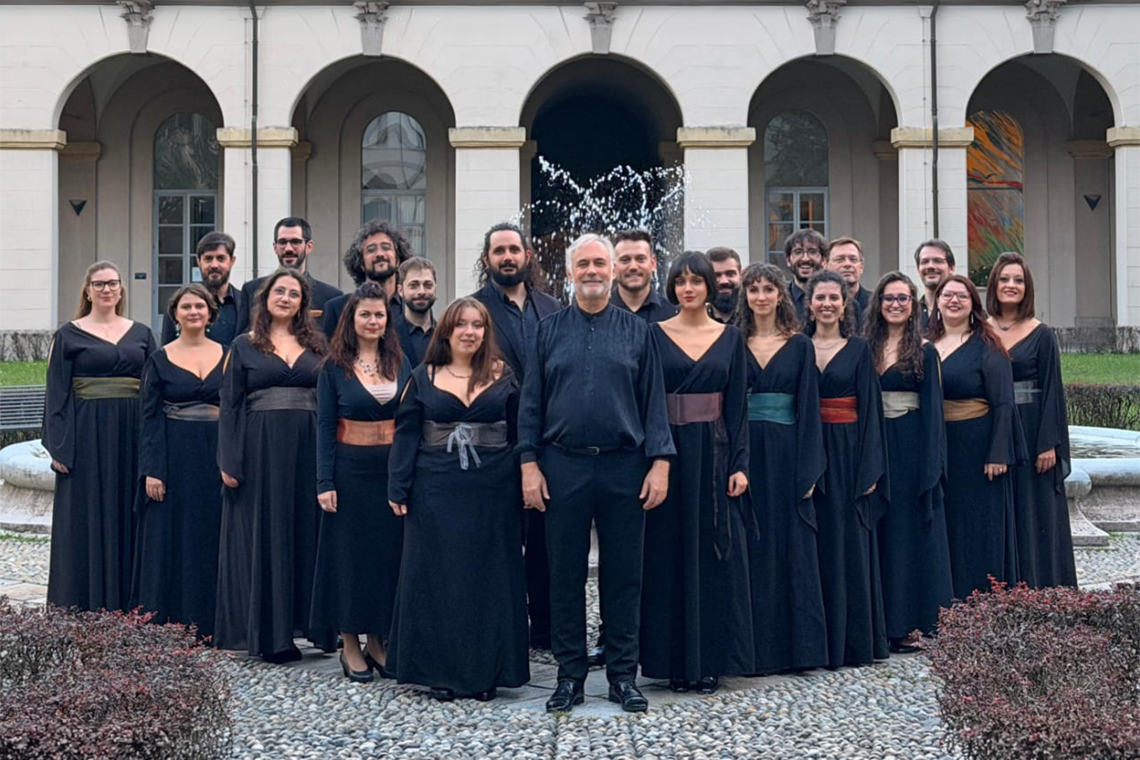
Coro da Camera di Torino [mixed choir]
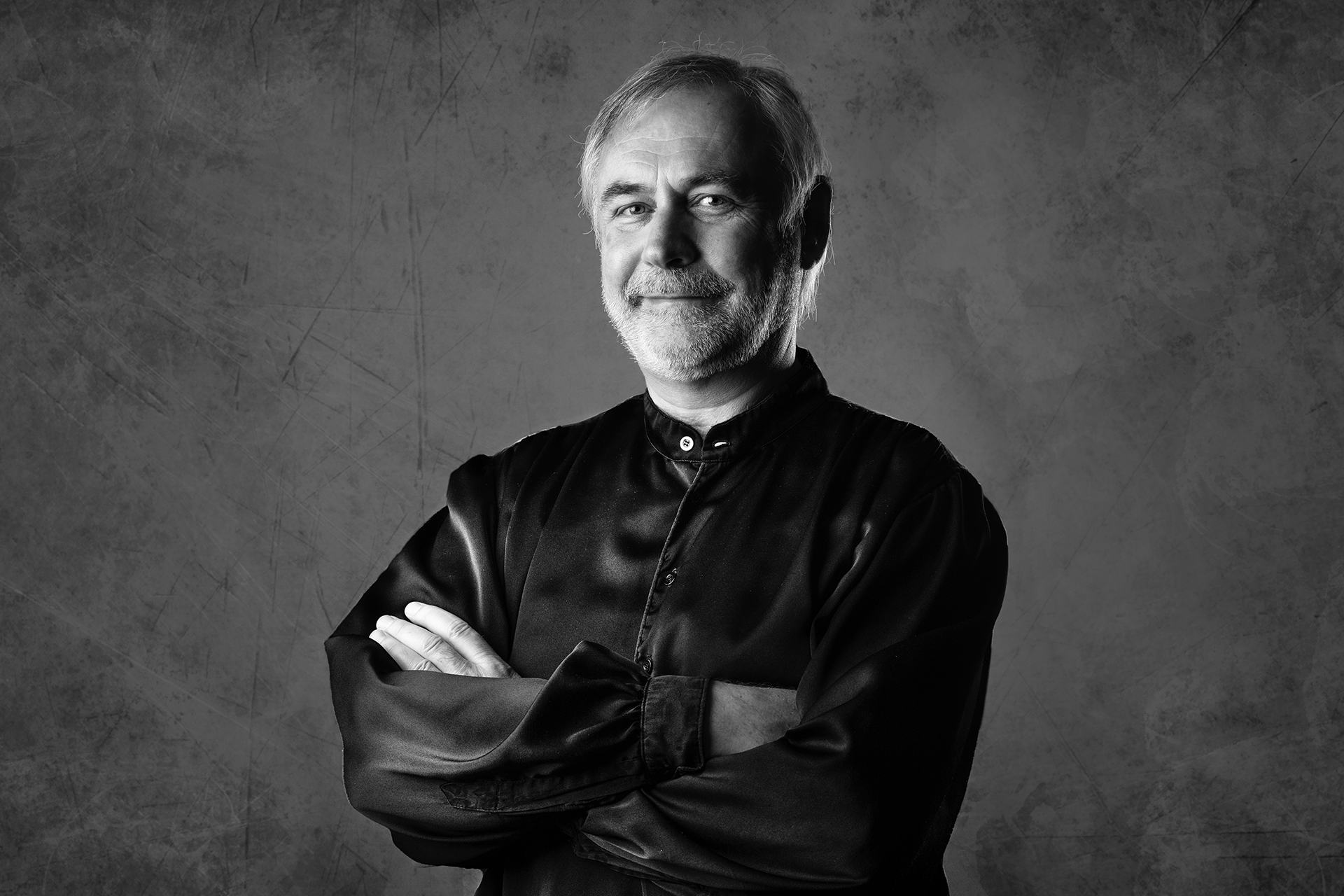
conductor: Dario Tabbia
The Turin Chamber Choir (Coro da Camera di Torino) is regarded as one of the most representative ensembles in the Italian choral scene. Founded in 2008 at the initiative of conductor Dario Tabbia, it has distinguished itself for its commitment to promoting lesser-known polyphonic repertoire. The choir performs regularly in major festivals and venues such as MiTo Settembre Musica, Unione Musicale di Torino, Piemonte in Musica, Teatro Bibiena in Mantua, the Via Francigena Festival, Ruvo Coro Festival, Nella Città dei Gremi, and Voci d’Europa, as well as appearing at the Milan Cathedral and the Pantheon in Rome.The ensemble has received numerous awards: in 2011, first prize (monographic program) and three special prizes at the F. Gaffurio National Competition in Quartiano; in 2012, first prize and a special prize at the G. d’Arezzo National Polyphonic Competition; in 2019, three first prizes, two special prizes, and the Grand Prize at the Trofei Città di Vittorio Veneto Competition; and in 2023, three first prizes and the Grand Prize Città di Arezzo at the G. d’Arezzo International Polyphonic Competition. It was also a finalist at the Maribor International Competition (2017) and the European Grand Prix for Choral Singing (2024, Varna).In 2015, the choir served as the workshop choir for the International Competition for Young Conductors organized by the European Choral Association in Turin and undertook a highly acclaimed tour in the Netherlands. Since 2021, it has regularly served as the workshop choir at the F. Corti International Competition for choral conductors and was invited by the Fondazione Toscanini to inaugurate the festival with works by L. Refice. Several Italian composers (M. Zuccante, G. Di Bianco, A. Ruo Rui, F. Dominutti, G. Bonato, S. Gangi) have written pieces for the choir. The ensemble collaborates actively with the school Il respiro è già canto and has taken part in educational and concert projects with K. Koetsveld, A. Sanna, L. Marzola, F.M. Bressan, and T. Ban Shen. The choir has released the CDs Voci, Made in Italy, Passio Domini nostri Jesu Christi, and, for its tenth anniversary, Dieci, featuring the most significant works from its history. In 2021 it released O nata lux, dedicated to the English polyphonic school of the 16th and 17th centuries, and in 2025 Spiriti, focused on repertoire from the 20th and 21st centuries.
Dario Tabbia graduated with highest honors in choral conducting from the G. Verdi Conservatory in Turin. He subsequently studied with F. Corti and has been a guest conductor at numerous musical institutions, conducting in Belgium, France, Germany, Switzerland, Israel, the Netherlands, Poland, Spain, Tunisia, and Hungary. He served as conductor of the RAI Symphony Choir of Turin from 1991 to 1992, and in 1994 he founded the vocal ensemble Daltrocanto, with which he has participated in some of the most prestigious early music festivals. In 2008, he founded the Turin Chamber Choir, which he currently conducts. With the Italian National Youth Choir, he won two first prizes and a special prize at the Florilège Vocal in Tours in 2014. He regularly holds masterclasses for choir conductors and is frequently invited to serve on the jury of major national and international competitions. With the Coro da Camera di Torino, he has won numerous prizes in national and international competitions, including the Gran Premio Città di Arezzo in 2023. He has recorded for major labels such as Opus 111, Nuova Era, Stradivarius, Arts, Symponia, and Bongiovanni, receiving significant acclaim and awards from the international press. In 2006, he edited the revised edition of Fosco Corti’s book Il respiro è già canto, published by Feniarco, and the following year he founded the eponymous school of choral conducting, which has graduated over 180 Italian conductors. He is the author of the book Il direttore di coro, published by Feniarco. He has been teaching choral practice at the G. Verdi Conservatory in Turin since 1983.
Final round
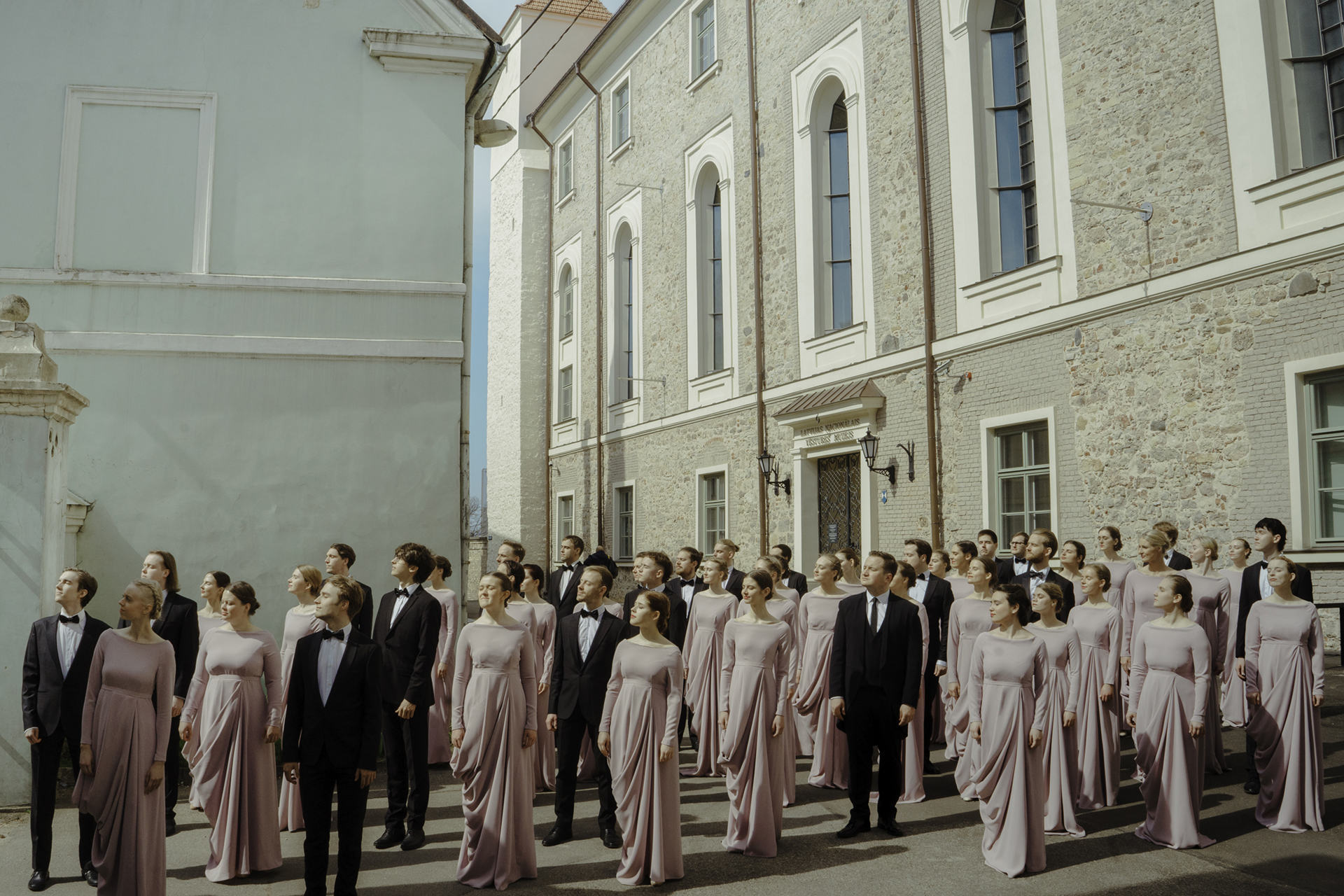
Youth Choir Kamer... from Riga (Latvia) [mixed choir]
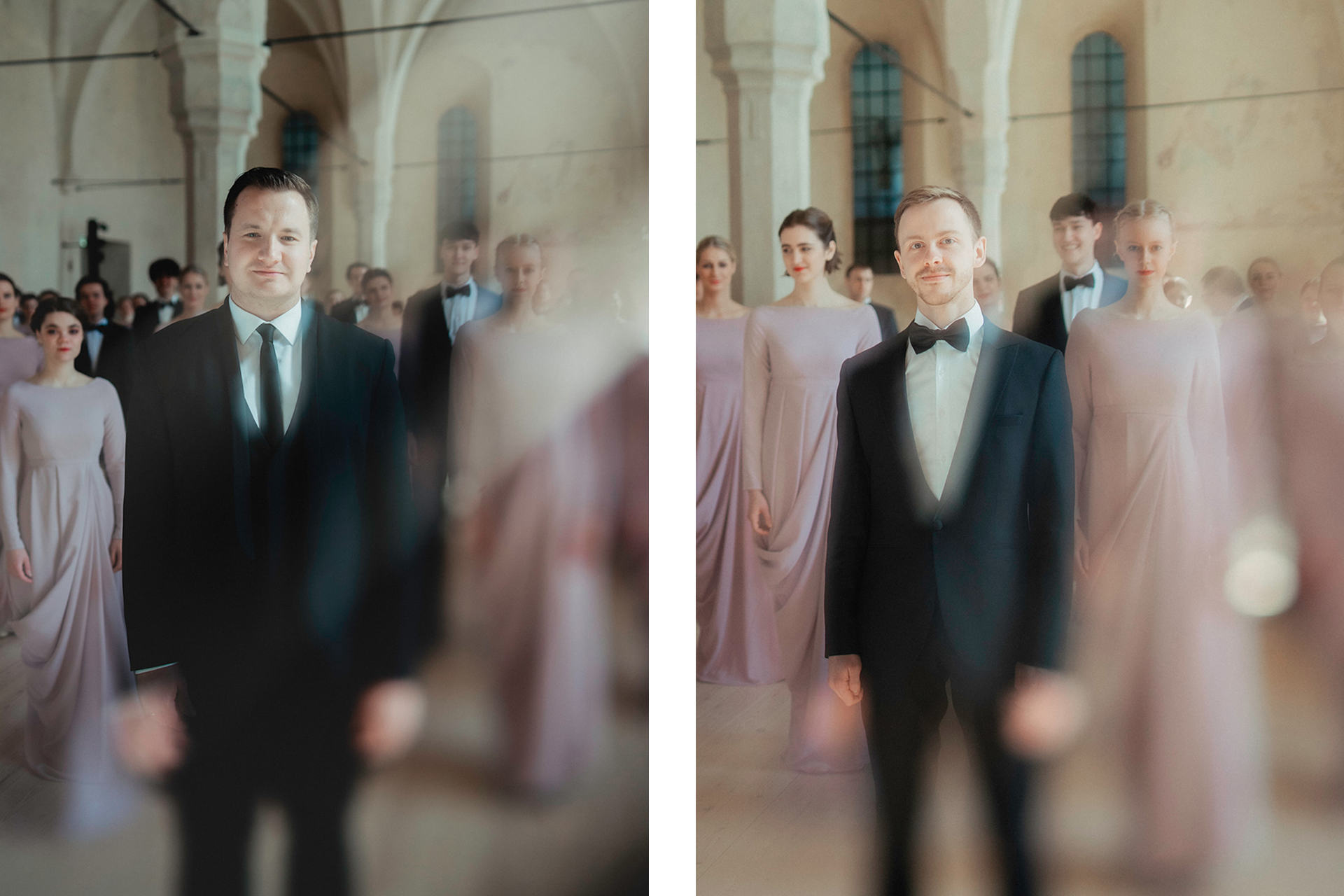
conductor: Jurģis Cābulis and Patriks Kārlis Stepe
The Youth Choir Kamer... is an choir with a strong artistic identity, among the most renowned and influential in Latvia and on the international choral scene. Winner of numerous international competitions and creator of original, high-impact musical programs, it holds a distinctive place in the global cultural landscape. Since 2022, its artistic director and principal conductor has been Jurģis Cābulis, with Patriks Kārlis Stepe as associate conductor. The choir was founded in 1990 by Māris Sirmais, who led it until 2012, followed by Jānis Liepiņš (2012–2018) and Aivis Greters (2018–2022), all recipients of the Grand Music Award for their work with the ensemble.
Over time, Kamēr… has developed a distinctive vocal style, consistent yet shaped by the personalities of its different conductors. Although classified as an amateur choir, its exceptionally high level of preparation and performance standards place it close to a professional ensemble. The ellipsis in its name (Kamēr… meaning “while…”) conveys the idea that, while we are young, anything is possible.
The choir has achieved numerous international distinctions, including four titles at the European Grand Prix for Choral Singing – an unmatched record worldwide – three champion titles and gold medals at the World Choir Games in Xiamen (China), and seven victories in the most recent Latvian Song Celebration competitions. It is regularly invited to festivals across Europe and has toured in the United States and several Asian countries.
Composers who have written original works for Kamēr… include leading figures such as J.L. Adams, L. Celma, L. Desyatnikov, Ē. Ešenvalds, G. Jackson, G. Kancheli, R. Pauls, S.D. Sandström, D. Tabakova, J. Tavener, R. Tiguls and P. Vasks, among others.
The choir currently holds the title of Choir of the Year in Latvia.
Jurģis Cābulis has been the artistic director and principal conductor of the Kamēr… Youth Choir since 2022. Under his leadership, the choir has conceived and performed the programs New Reflections of the Waves (2022), A New Light (2023) and Elemental (2024). In 2025, he also directed the choir’s 35th anniversary project, which included a performance of The Creation by F.J. Haydn, a gala concert, and the release of a vinyl recording featuring performances by former artistic directors alongside the current ensemble. Since 2023, he has served as principal conductor of the Latvian Song Festival. He is head of the choral conducting department at the Riga Cathedral Choir School, where he also conducts the mixed choir. In 2024, he was awarded the Latvian Choral Music Award as Conductor of the Year. With Kamēr…, he won the European Grand Prix for Choral Singing in 2025 and the choral competition of the Latvian Song and Dance Festival in 2023. In 2021, he received the Latvian Grand Music Award for the program Amao Omi / The Senseless War. He was also awarded third prize at the 5th International J. Vītols Competition for Choral Conductors (2014) and first prize at the 3rd International J. Naujalis Competition in Vilnius (2017). In 2021, he was a semifinalist at the prestigious Eric Ericson Award. From 2013 to 2024, he conducted the Riga Chamber Choir Ave Sol. Under his direction, the album Aeternum, featuring music by J. Jančevskis, was recorded in 2020 for Hyperion Records. He holds a bachelor’s and a master’s degree in choral conducting from the J. Vītols Latvian Academy of Music, where he studied with A. Veismanis and K. Ādamsons.
Patriks Kārlis Stepe has been a conductor of the Kamēr… Youth Choir since 2018. He coordinates the choral conducting department at the A. Kalniņš Cēsis Music Secondary School, where he also leads the mixed choir. After taking part in the 2nd International I. Kokars Competition for Young Conductors, in 2024 he was awarded second prize, the choir prize, and the audience prize at the 3rd International F. Corti Competition for Choral Conductors. He is also a music expert for Latvian Radio 3 Klasika in the program Orpheus’ Ear. In 2021, he conducted the film and theatre production of the opera Baņuta by A. Kalniņš (Sansusī and Story Hub). In 2023, he directed the site-specific performance series All the Birds Sing Beautifully (Dirty Deal Teatro and Story Hub). He served as conductor of the sacred music concert at the XIII Latvian School Youth Song and Dance Festival and is the creator and artistic director of the Cēsis Competition for Choirs and Vocal Ensembles (2025). He trained at the Riga Cathedral Choir School, studying choral conducting with M. Klišāns and voice with V. Tračuma. In 2024, he obtained a master’s degree in choral conducting from the J. Vītols Latvian Academy of Music under the guidance of A. Veismanis.